 SFDIFY
Generative AI development, shipped to real users.
SFDIFY is a generative AI development company. We design, build and run AI features in production: assistants, document automation, search and agents, wired into the systems you already use. AI runs inside our own products every day, so we build for what happens after launch.
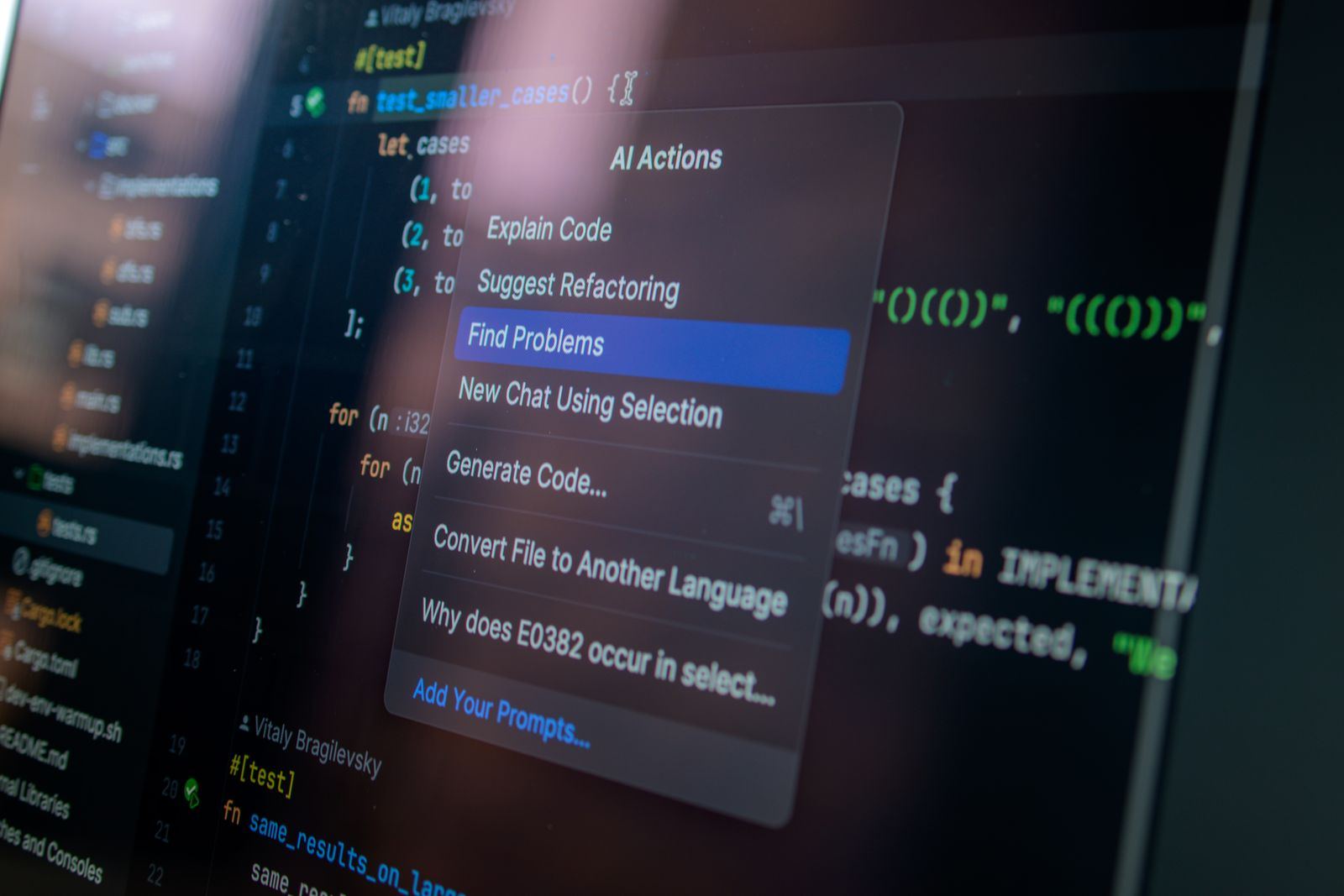
Artificial intelligence development services.
AI features inside your product
Copilots, assistants and smart defaults added to an existing app or SaaS, with the model behind an API you control.
Document and data extraction
PDFs, emails and forms turned into structured records. Yolda reads trucking rate confirmations straight into loads.
Search and answers over your data
Retrieval over your documents, tickets or product data, with sources shown so people can check the answer.
Workflow automation with LLMs
Classify, summarize, route and draft inside the tools your team already uses, with a person approving what matters.
Custom generative AI apps
New web and mobile products where AI is the core feature, from the first version to production.
Evaluation, guardrails and cost control
Test sets, output checks, logging and model routing, so quality is measured and the model bill stays predictable.
Rate confirmations read by AI, approved by a dispatcher.
Every trucking load starts with a rate confirmation PDF, and every broker formats it differently. Dispatchers retype the rate, stops and references by hand.
- AI extraction for rate confirmations in any layout
- The load built automatically with rate, stops and references
- A review step so a dispatcher approves before anything is saved
- Assignment to the best-fit truck in seconds
In Yolda a dispatcher drops in a rate con, checks what the AI filled in and assigns the load. The same pattern works for invoices, applications and other documents.
See YoldaWhen to hire us, and when not to.
A good fit when
- ✓You have a specific task in mind: drafting, extracting, answering or deciding.
- ✓You want AI inside your own product or workflow, under your control.
- ✓Quality matters enough that you want it measured, not guessed.
- ✓You need someone to own it after launch, not only a demo.
Probably not a fit when
- ×You are still deciding whether AI fits at all. Start with AI consulting.
- ×A ready-made AI tool already does the job well.
- ×You only need a one-off prompt or a ChatGPT workspace set up.
From first call to launch.
Find the use case
Start from a real task and its numbers, and confirm AI is the right tool. The first consultation is free.
Prototype on your data
A working prototype against real examples, with a test set that defines what "good" means.
Build it into your stack
Production code, integrations, permissions, logging, and a fallback for when the model is unsure.
Launch, measure, improve
Ship to real users, watch quality and cost, and improve from what people actually do.
What drives the cost of generative AI development.
AI projects range from one feature to a whole product. These factors decide the effort, and the running cost after launch.
Scope of the feature
One assistant or extraction step is far smaller than an AI-first product with many flows.
Data preparation
Clean, structured data is quick to use. Scans, emails and messy records need extraction and cleanup.
Integrations
Each system the AI reads from or writes to adds work, especially without a clean API.
Quality bar
A test set, output checks and human review for risky cases take time, and are worth it.
Running cost
Model usage is billed per request by the provider. Routing and caching keep that bill predictable.
For the mistakes that make AI projects run over, read the AI integration mistakes that waste time and budget.
Built and run by SFDIFY.
OpenAI Select Partner
Selected by OpenAI as a Select Partner. We build assistants, agents and AI features on OpenAI's models, alongside Anthropic and Gemini.
Learn moreYolda
The AI-native TMS for trucking. Its AI reads rate confirmations into loads, watches every CDL and medical-card date, and answers questions about your numbers.
Learn moreUSTAXX
The portal and app behind an IRS-authorized e-file practice. Clients ask USTAXX AI, track deadlines and follow their return in nine languages.
Learn moreSegeo
Writes and publishes a useful blog post to a business's site every day and runs its Instagram. SaaS from $89 a month.
Learn moreQuestions, answered.
What does a generative AI development company do?
It designs and builds software where a large language model or another generative model does part of the work: drafting, extracting, answering or deciding. At SFDIFY that covers the product design, the model and prompt work, the integrations and the monitoring after launch.
Which AI models do you work with?
Mostly OpenAI, Anthropic and Google Gemini models, chosen per task for quality, speed and cost.
Can you add AI to software we already have?
Yes. Most AI projects add a feature to a product or workflow that already exists, through an API layer, rather than rebuilding it.
How do you keep AI output reliable?
Each feature gets a test set of real examples, checks on the output, logging, and a fallback or human review for cases the model is unsure about. Quality is measured before and after launch.
How long does an AI development project take?
It depends on the scope. A single AI feature on clean data is a short project; an AI-first product takes longer. We agree what the first version includes before building, and projects typically start 2 to 4 weeks after the first call.
What does it cost to run AI after launch?
Model providers bill per request, so the running cost depends on volume and model choice. We route simple tasks to cheaper models and cache repeated work, and show you the expected monthly cost before launch.
How do we start?
Book a free first consultation and describe the task you want AI to help with. We will tell you honestly whether AI is the right tool and what a first version would look like.


